Community Action & Advocacy
When seniors share what feels unsafe, confusing, or missing in the community, those concerns shouldn’t stay in the room.
Need help now?
If you are looking for direct support, such as health, housing, food, or transportation services, please visit our Resources for Seniors page.
VSAN identifies the gaps; our partners provide the direct services.
WALK, ROLL & TELL
Have You Noticed a Sidewalk or Accessibility Problem?
Tell us about it!
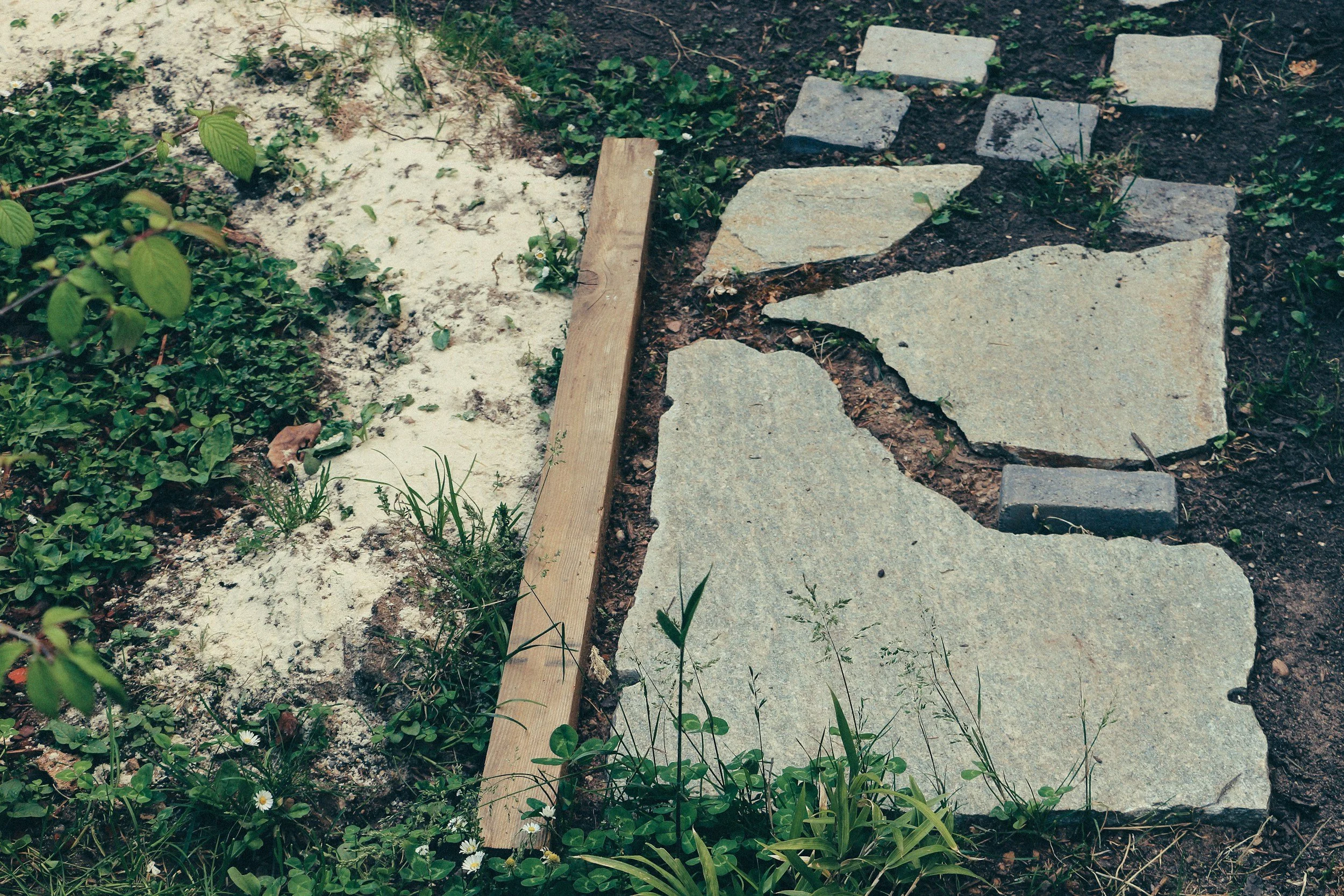
The Vernon Seniors Action Network (VSAN) is collecting information about sidewalks, crosswalks, pathways, and other accessibility problems in our community.
The information collected will help identify areas that may need attention and support ongoing efforts to make Vernon more accessible, age-friendly, and safe for everyone.
Examples of Problems You Can Report:
Uneven or damaged sidewalks
Missing or difficult curb ramps
Crosswalk concerns
Obstacles blocking sidewalks or pathways
Signage that is difficult to read or follow
Poor lighting
Other accessibility concerns in public spaces
What Information Will Be Requested?
The reporting form asks for:
The location of the problem
A brief description of what happened
When you noticed the problem
Suggestions for improvement (optional)
Contact information (optional)
The form takes only a few minutes to complete.
If you would like to provide a photo, please email it to info@vernonseniorsaction.ca and include the location of the problem so we can match it to your report.
From Local Concerns to Community Action
Community action starts with something practical, such as a senior worried about wildfire season, a caregiver who can’t find the right service for their loved one, or a person living with dementia who finds public spaces difficult to navigate.
Through VSAN’s Membership Table, seniors, caregivers, service providers, municipal partners, health partners, and community organizations can raise these concerns. When an issue needs focused attention, VSAN may help form an Action Team.
Seniors' Voices
“What we shared didn’t stay in a meeting—it showed up in the plan.”
How Action Teams Work
Action Teams are small working groups created around a specific issue or project. They are usually time-limited, which means they meet while the work is active and may pause, dissolve, or hand the work over once the goal has been reached.
This model keeps the work practical. It allows VSAN to respond to real issues facing seniors without creating permanent committees for every concern.
An Action Team may:
Learn more about a community gap
Bring the right partners together
Plan workshops or learning opportunities
Support community engagement
Share information with seniors and caregivers
Help shape local plans or recommendations
Hand work over to a partner agency for long-term support
Examples of Community Action in Practice
The examples below show how VSAN’s Action Team model works in real situations, bringing people together and connecting the work to longer-term community change.
Emergency Preparedness for Seniors
After the 2021 White Rock Lake wildfire, emergency preparedness became a clear priority for many seniors in the Vernon area. Most of Vernon was placed on evacuation alert, meaning residents had to be ready to leave on short notice.
For many older adults, that experience raised serious questions:
What does an evacuation alert mean?
What does an evacuation order mean?
What should I prepare before an emergency?
What should go in a grab-and-go bag?
How do I plan if I have mobility needs, health needs, pets, or limited transportation?
What the Action Team Did
VSAN’s Emergency Preparedness Action Team focused on reducing fear through planning. The work included free workshops on emergency preparedness and evacuation readiness for seniors.
The workshops helped seniors understand:
Shelter-in-place planning
Evacuation readiness
Emergency alerts
Grab-and-go bag preparation
Planning ahead for future emergencies
Once the work was established, workshop coordination was handed over to the VSAN partner, NexusBC, for long-term delivery. This is an important example of how VSAN’s action work can begin with a community concern, grow into a practical response, and then continue through a partner organization.
Age and Dementia-Friendly Community Planning
VSAN’s Age and Dementia-Friendly work shows how seniors’ voices can influence community planning.
In 2019, VSAN identified the need for more intentional planning around aging and dementia in Vernon. An Age and Dementia-Friendly Committee was created to focus on this work.
In 2022, VSAN approached the City of Vernon to collaborate on a grant application to formally develop an Age and Dementia-Friendly Community Plan. That outreach helped bring the City into the work and supported broader partnerships.
Building the Plan With Community Input
In August 2022, Vernon, with VSAN’s leadership and support, received a $25,000 provincial grant through BC Healthy Communities to support assessment and planning with a dementia-friendly lens.
With this funding, VSAN helped:
Establish an action team and working groups
Recruit a consultant
Coordinate community and stakeholder engagement
Support assessments of the social and physical environment
Create opportunities for older adults and people living with dementia to share their experiences
Community members and City personnel shared several hundred ideas and recommendations about what was working and what needed attention.
What Changed
The City of Vernon’s Age and Dementia-Friendly Community Plan was endorsed by the Vernon City Council on June 24, 2024.
The plan includes five strategic directions:
City Places and Spaces
Housing and Transportation
Community Support and Health Services
Communication and Information
Social Inclusion
This work matters because it connects daily experience to long-term planning. What seniors and people living with dementia shared helped inform priorities around sidewalks, public spaces, housing, transportation, communication, way-finding, accessibility, and inclusion.
Vernon’s Official Community Plan now reflects priorities from the Age and Dementia-Friendly Community Plan, helping carry this work into the city’s long-term vision.
Seniors' Voices
“What we shared didn’t stay in a meeting—it showed up in the plan.”
Information, Referral, and Advocacy
VSAN’s Information, Referral, and Advocacy Action Team was created because seniors, caregivers, and service providers were having difficulty finding and sharing reliable information.
Early community engagement, including a 2018 public open house, showed that many seniors faced similar barriers. People did not always know what services existed, where to start, or how to navigate a fragmented support system.
Making Information Gaps Visible
The Action Team helped support:
Service-provider networking meetings
Round-table discussions
Seniors information fairs
Early planning for a Seniors Resource Guide
Newsletter content during COVID-19
Seniors-focused updates through partners such as NexusBC
The creation of VSAN’s Facebook page in 2024
This work helped organizations share information more clearly and gave seniors’ concerns more visibility in VSAN discussions.
When people cannot find the support they need, that is not only an individual problem. It can point to a larger navigation gap. VSAN helps bring those gaps forward so partners can understand what needs to be clearer, easier to access, or better coordinated.
How Seniors’ Voices Shape Local Decisions
Good planning depends on real experience. Seniors notice the details that affect daily life because they live with them every day: a sidewalk that feels unsafe, a sign that is hard to follow, a form that is confusing, or a service that is difficult to find.
VSAN helps bring those details into conversations where they can influence planning, partnerships, and community action.
When People Share What They Know
The strongest community work often starts with someone saying, “This is what is happening for me,” or “This is what people are struggling with.”
That lived experience has helped shape VSAN’s work in practical ways:
Concerns following wildfire evacuation alerts led to emergency preparedness workshops for seniors.
Input from older adults and people living with dementia helped inform Vernon’s Age and Dementia-Friendly Community Plan.
Barriers to finding services helped strengthen information-sharing between local organizations.
That is why seniors’ voices matter. They help make community action more practical, more honest, and more connected to what older adults actually need.
Bring Your Voice To The Table
Big ideas often start with simple conversations.
Whether you are a senior, caregiver, service provider, organization, or community member, you are invited to add your voice and help shape what comes next for seniors in Vernon and the North Okanagan.